Guide
How to Pose for Pictures: 7 Rules That Always Work
Seven posing rules that work for anyone, with real photo references: weight placement, angles, hands, chin position, movement, and how to practice them.
Most people freeze when a camera points at them, then default to the same stiff, square-on stance every time. Good posing is not talent. It is a short list of physical habits. These seven rules cover almost every situation, and each one comes with a real reference photo you can copy on your next shoot.
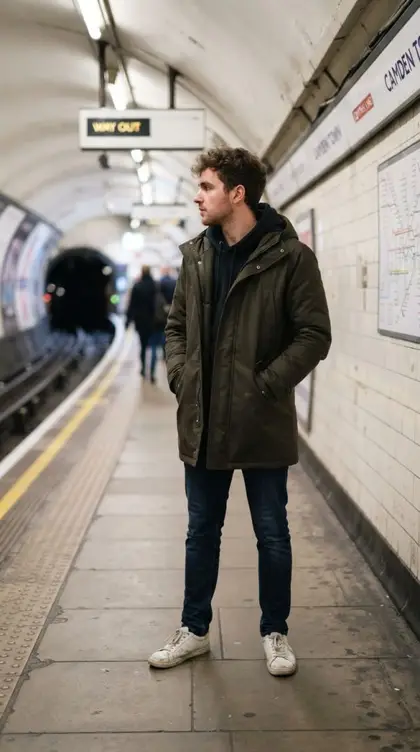
1. Put your weight on the back foot
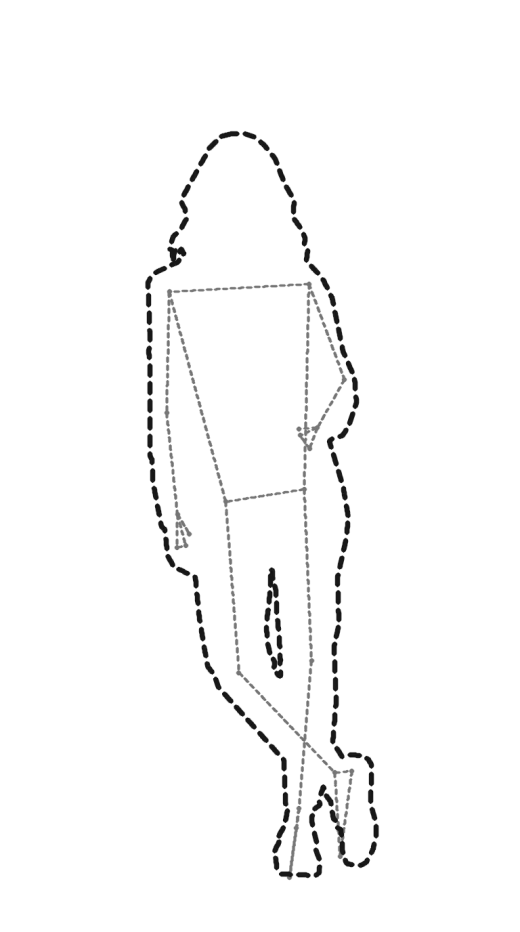
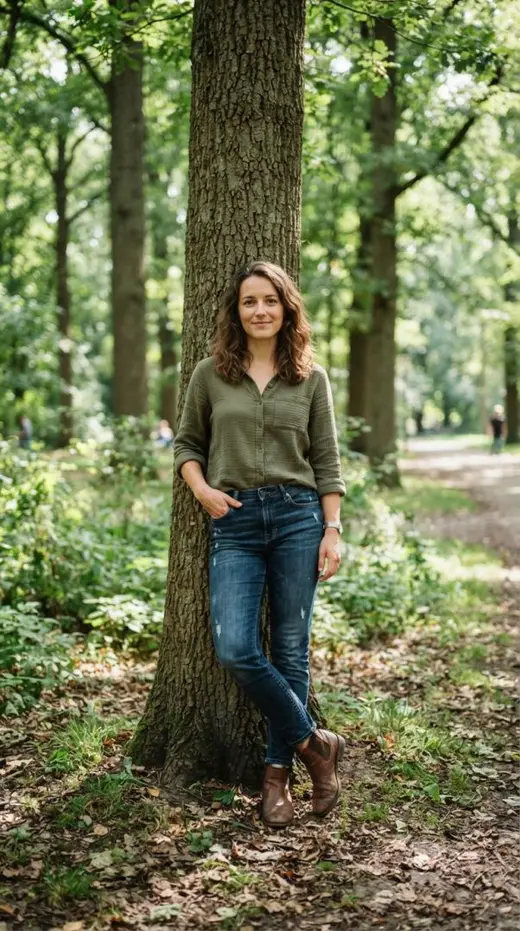
Standing with weight split evenly across both feet reads as a mugshot. Shift your weight onto the foot farther from the camera, let the front knee soften, and your hips and shoulders stop being parallel to the lens. That single shift creates the relaxed S-curve that photographers chase.
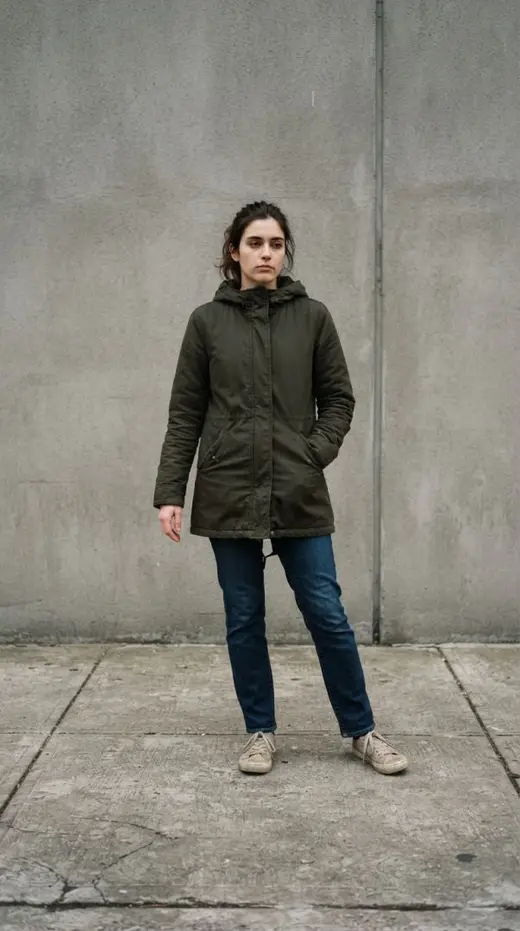
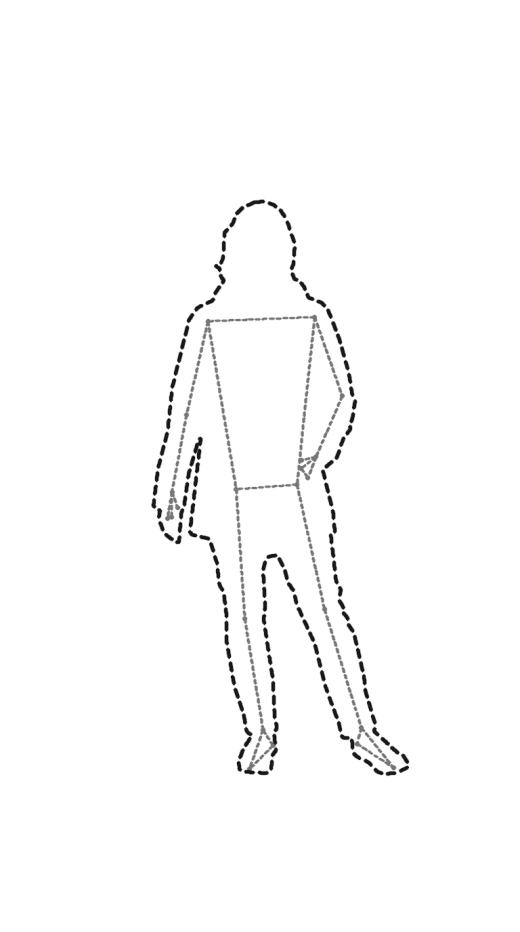
2. Make angles, not straight lines
Cameras flatten. A limb held straight looks locked and wider than it is; a bent limb creates a triangle and reads as intentional. The rule of thumb: if it bends, bend it. Elbows, wrists, knees. Leaning against a wall or a tree does half of this work for you, because the lean itself sets your body at an angle.
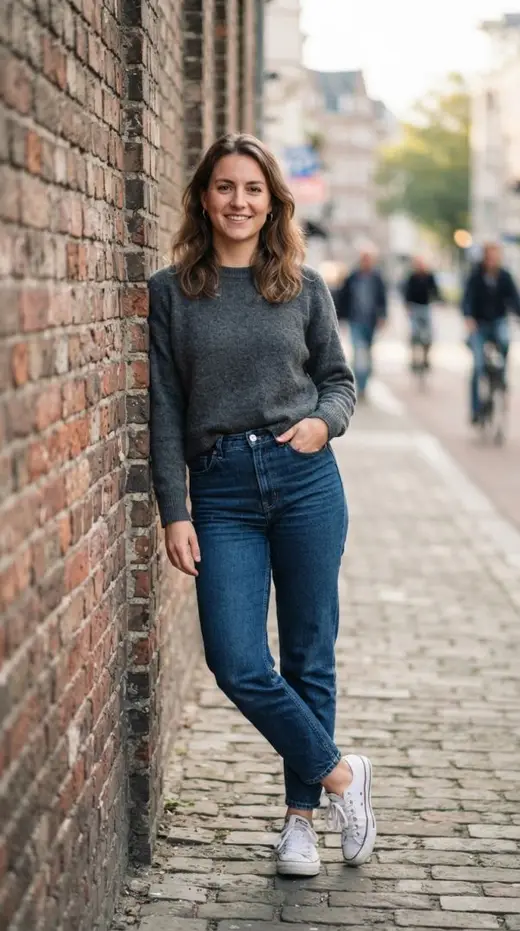

3. Give your hands a job
Empty hands are the most common tell of an awkward photo. Hands hanging flat against your thighs pull the whole pose down with them. Fix it by giving them something to do: hold a cup, touch your collar, slide a thumb into a pocket, fix your hair. A prop as small as a coffee cup changes the entire photo because it changes what your hands, shoulders, and eyes are doing.



4. Chin out, then down
Pulling your chin back to "stand up straight" compresses your jawline into the neck. Do the opposite of what feels natural: push your chin slightly toward the camera, then tip it a touch down. It feels like a turtle; it photographs as a defined jaw. This is the single highest-value habit on this list and it costs nothing.
5. Move instead of holding still
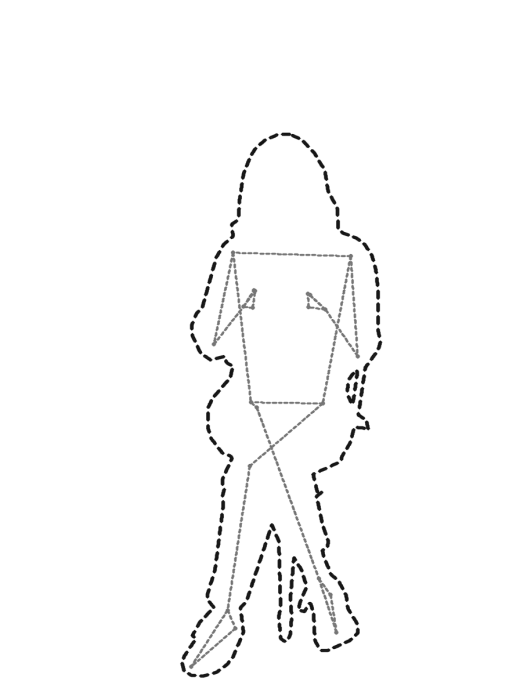
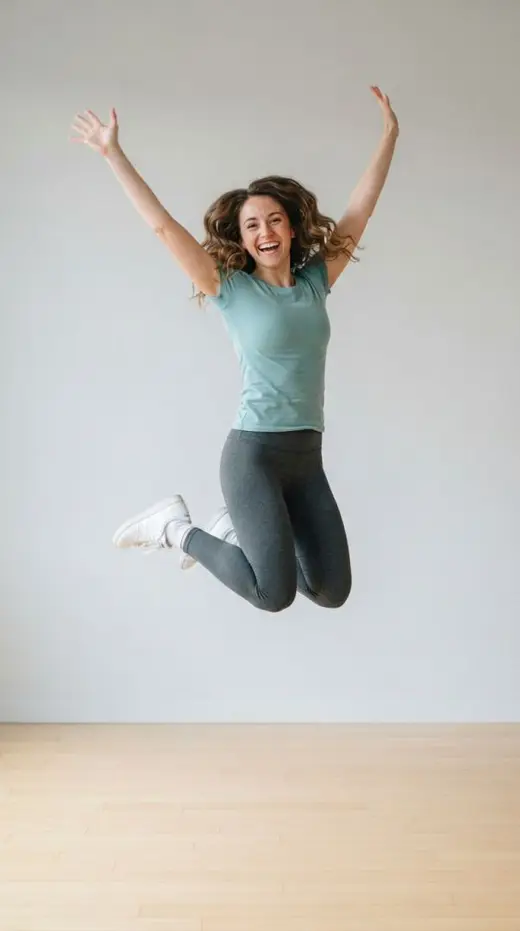
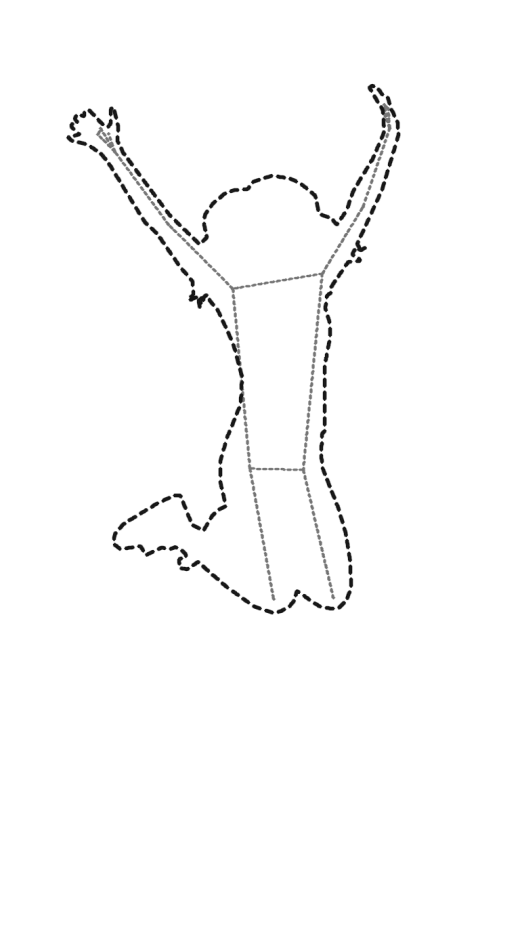
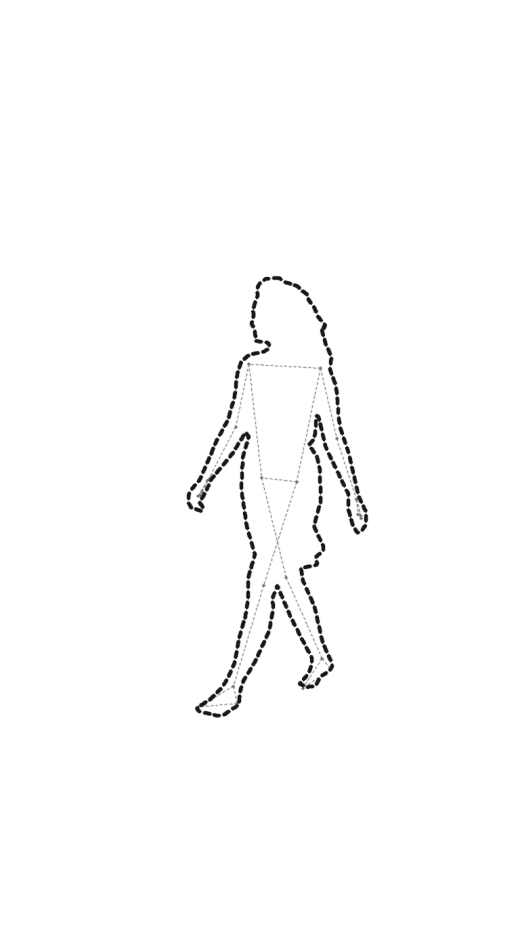
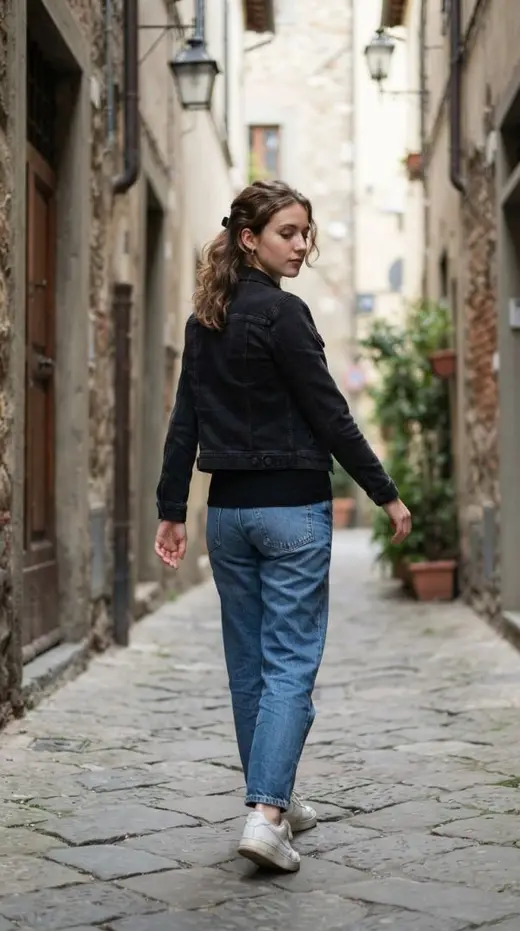
A pose held for ten seconds decays into stiffness. Instead of holding, repeat a small motion and let the camera catch the middle of it: walk three steps and turn, toss your hair, jump on a count of three. Burst mode is your friend: the second and third frames are usually the keepers because the self-consciousness is gone.

6. Look away from the lens
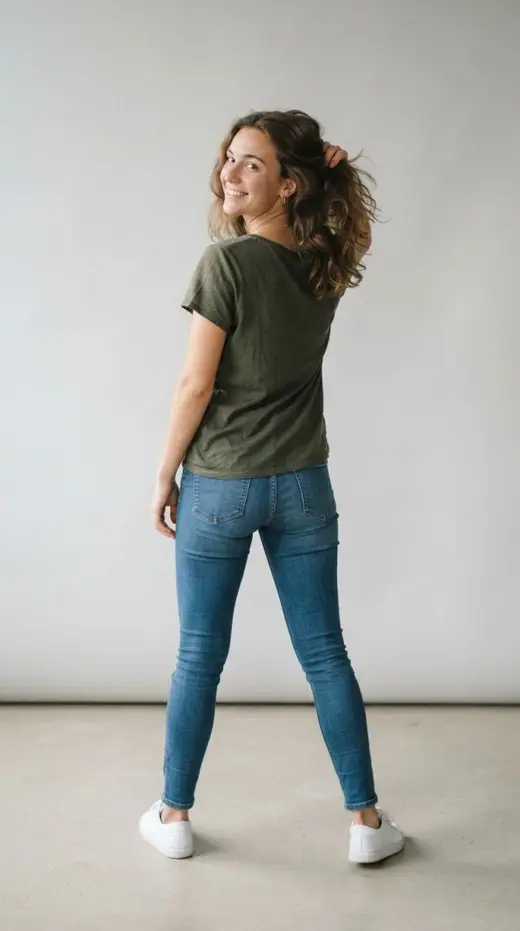
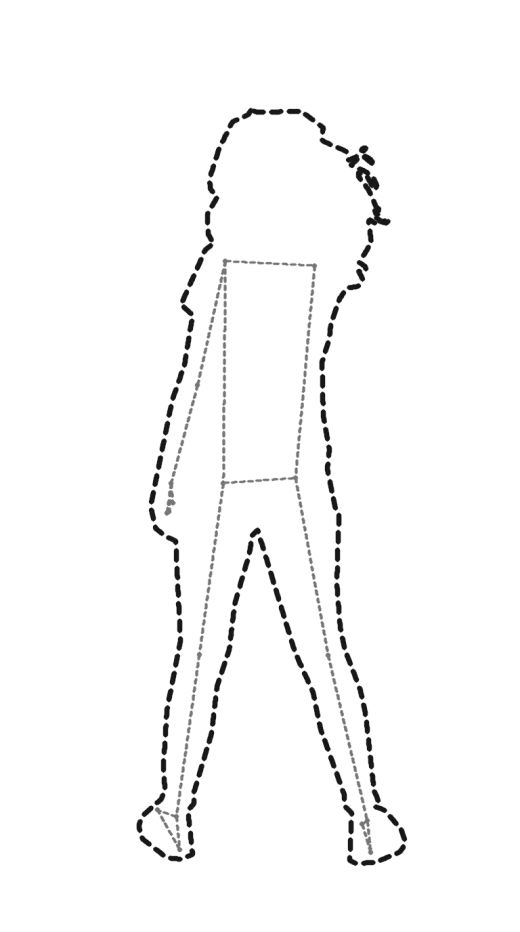
Eye contact with the camera is the hardest thing to do naturally, so stop defaulting to it. Look past the camera, over your shoulder, at your hands, at the horizon. The over-the-shoulder glance is a classic because it combines three rules at once: your body angles away, your neck turns, and your eyes have somewhere honest to be.
7. Practice from references, not memory
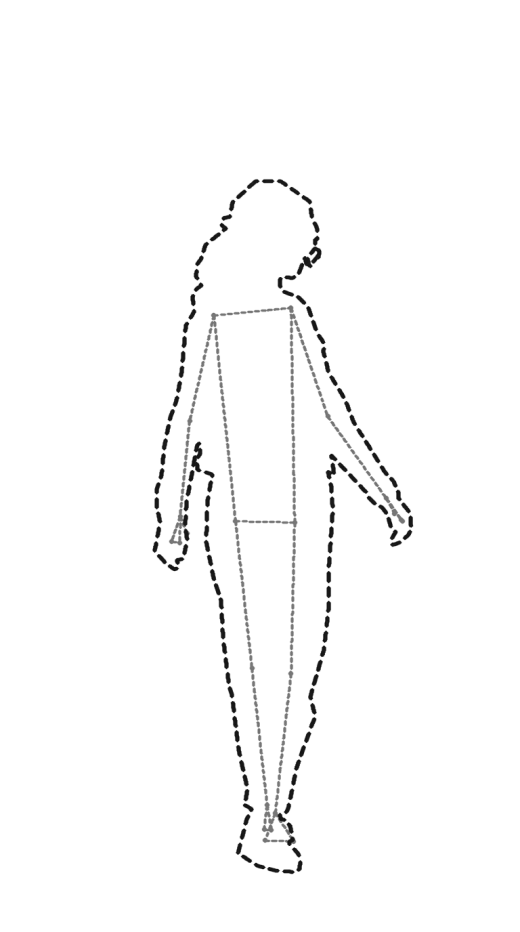
Nobody remembers seven rules mid-shoot with a camera pointed at them. The people who look effortless in photos are copying. They have seen a pose they like and they are reproducing it. Keep references on your phone and pick the pose before you raise the camera, not after.