Guide
What to Wear for a Photoshoot: Colors, Fit, and Patterns
Outfit choices the camera notices: colors against common backgrounds, fit and silhouette, patterns that misbehave, layers that add shape, and shoes.
The camera does not see clothes the way a mirror does. It flattens texture, exaggerates brightness, and turns busy patterns into noise. Choosing a photoshoot outfit is mostly about avoiding what the lens punishes, and the rules are short enough to run through while you stand in front of the wardrobe.
Solid mid-tones beat everything
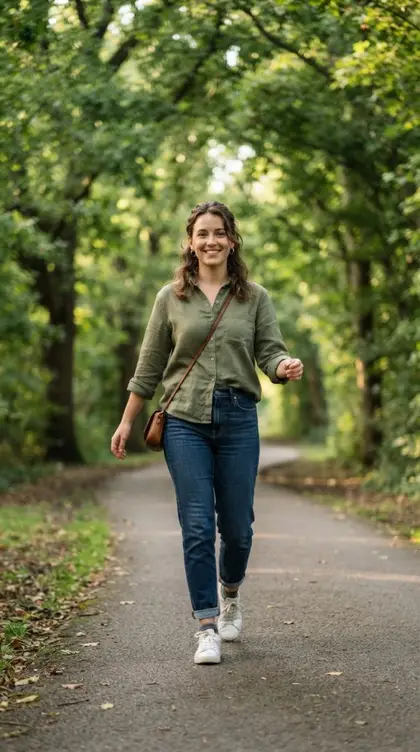
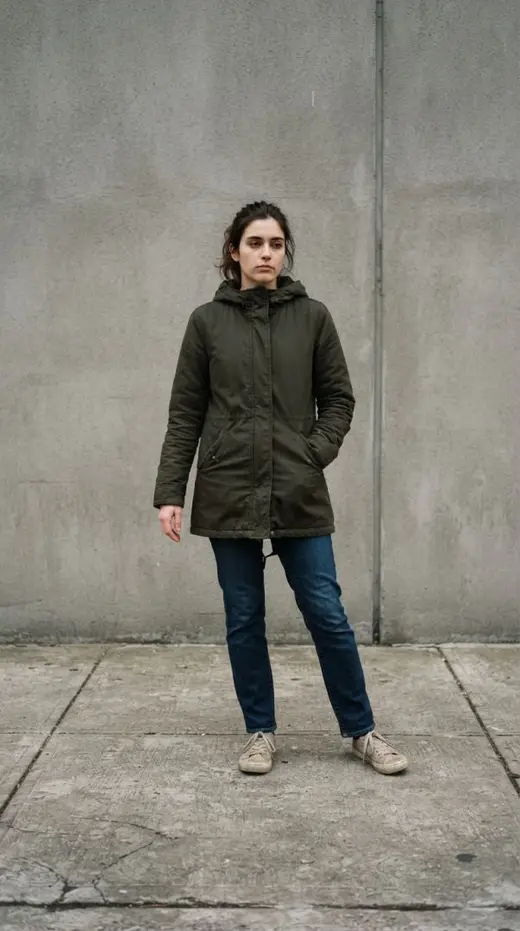
Pure white is the brightest thing in almost any frame, so the camera underexposes your face to protect the shirt. Pure black does the opposite: it swallows every fold and seam, turning a fitted jacket into a flat shape. The safe zone is the middle: olive, rust, navy, cream, forest green, slate blue. These hold their detail, flatter every skin tone, and let the exposure meter concentrate on your face.
Contrast with the background, not with yourself
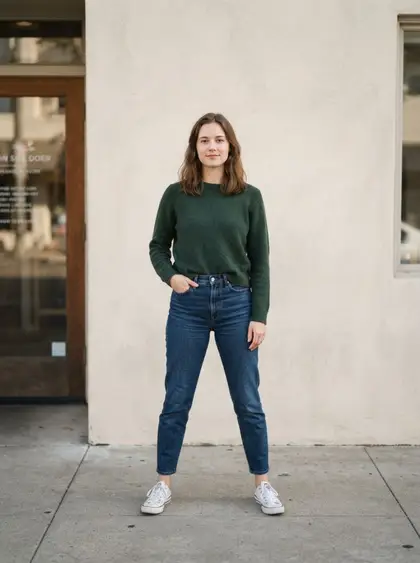
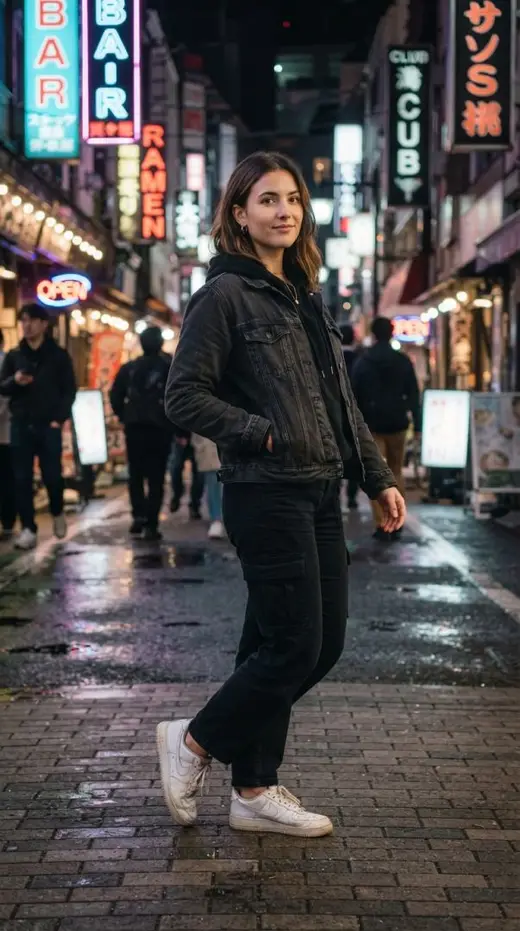
Before you leave, think about where you are shooting. A cream outfit vanishes against a white wall; a black coat disappears into a night street. You want one step of contrast between you and the backdrop: dark clothes against light walls, light clothes against foliage or brick. If you are unsure of the location, mid-tones win again because they contrast with almost everything.
Fit and silhouette
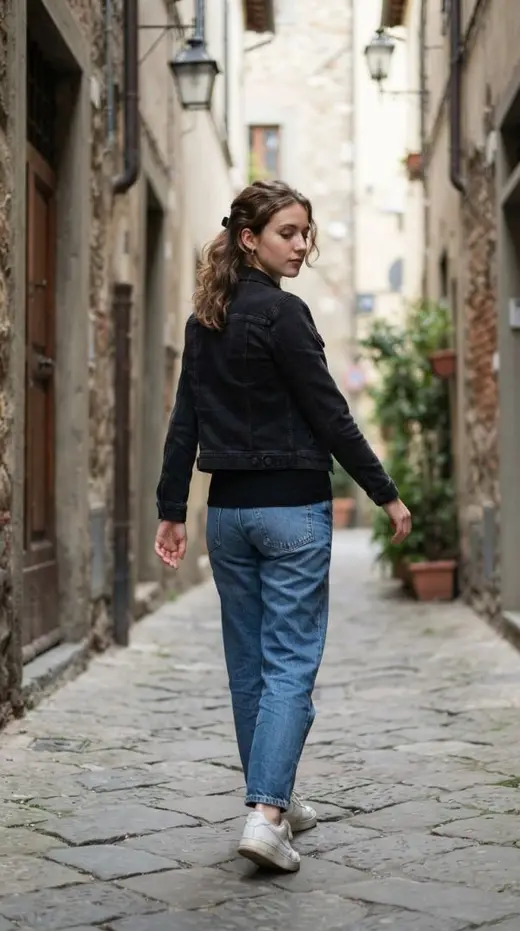
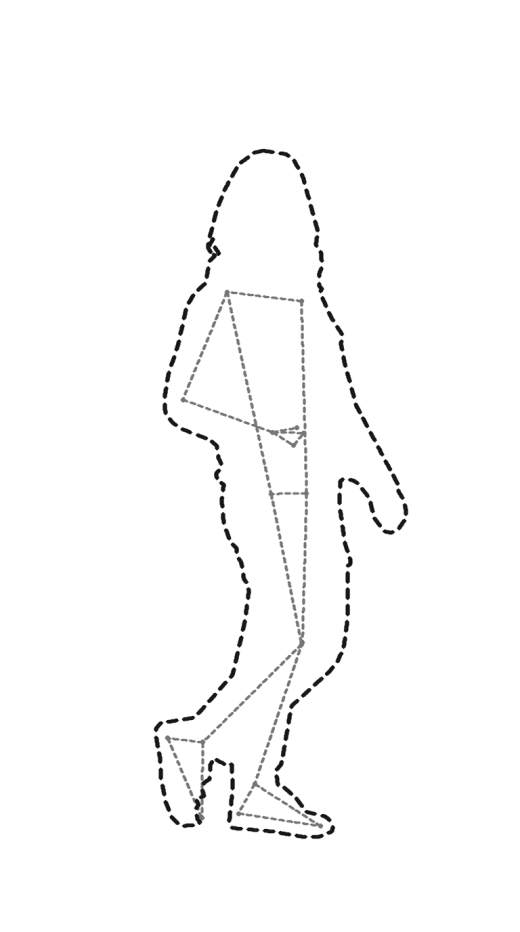
The camera reads outline first. Oversized everything reads as one rectangular block, so anchor each outfit with one fitted piece: a tucked shirt under a loose jacket, straight trousers under a big knit. That single point of structure gives the photo a waist, a shoulder line, or both, and every pose you strike shows up more clearly inside it.
Patterns that misbehave
Fine stripes and tight checks shimmer on camera sensors (the moire effect), thin fabrics show every strap and seam under bright light, and a big logo pins the photo to a brand and a year. Small, low-contrast patterns are fine. When in doubt, take a phone photo of the outfit at home first: the screen will show you the shimmer before the shoot does.
Layers give you shape and something to hold
A jacket or overshirt earns its place twice. It adds a second outline to the silhouette, and it hands your hands a job: collar adjustments, a thumb in the lapel, the classic over-the-shoulder carry. Half of awkward posing is empty hands, and a layer solves it before it starts.
Shoes finish full-body shots
In a full-length frame, shoes occupy the bottom edge where the eye exits the photo. Scuffed white trainers read as casual on purpose only if the rest of the outfit agrees. Match the formality of the shoes to the outfit, and clean them; the camera sits low for full-body shots, which puts your shoes closer to the lens than your face.
Bring one backup top
A spilled coffee, an unexpected background clash, sweat on a hot day: one folded backup top in a tote covers all of it, and swapping tops mid-shoot doubles your outfit variety for free.