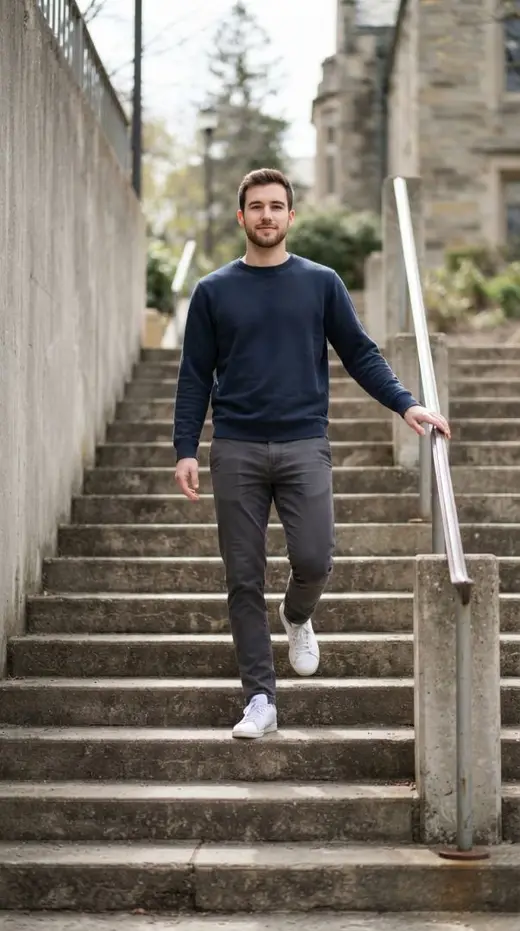
Guide
Phone Camera Lenses Explained: 0.5x, 1x, 2x, and 3x
What each phone lens does to faces and bodies: ultrawide distortion, the honest 1x, why 2x to 3x flatters portraits, and where digital zoom gives up.
Those 0.5x, 1x, and 3x buttons are not zoom levels of one lens. Each real number is a separate physical lens with its own personality, and picking the right one changes a portrait more than any filter. Here is what each lens actually does to faces and bodies, and which one to reach for per shot.
What the numbers mean
1x is the main lens. 0.5x is a second, ultrawide lens. 2x or 3x is either a third telephoto lens or a crop of the main sensor, depending on the phone. Anything between or beyond those numbers is digital zoom: the phone cropping and enlarging pixels. Real lenses gather real detail; digital zoom just stretches what is already there.
0.5x: drama, with a catch
The ultrawide exaggerates depth. Foregrounds loom, ceilings sweep, and a full-body shot from a low angle gets long legs and big sky. It is the lens for tight spaces (small rooms, narrow streets) where you physically cannot back up, and for shots where the environment is the point. The catch: it distorts whatever sits near the frame edges. A face in the corner of a 0.5x shot stretches sideways. Keep people near the center, and never shoot a close-up face on it.
1x: the honest default
The main lens has the biggest sensor, the fastest aperture, and the best low light behavior on nearly every phone. It renders bodies and spaces roughly the way your eye sees them. When in doubt, or in dim light, or shooting anything that moves, 1x is the right answer. Its only weakness is close-up faces at arm's length, where its wide view inflates the nose. Fix that by stepping back, or switching up.
2x to 3x: the portrait lens
Telephoto compresses. Features flatten gently, the nose recedes, the background enlarges and feels closer, and faces look the way they do in mirrors rather than in front-camera selfies. This is why photographers shoot portraits on longer lenses. It needs two things: distance (stand 2 to 4 meters back) and light (telephoto lenses are weaker in the dark, when phones quietly switch to digital crop anyway). Head-and-shoulders shot in daylight: this lens, every time.
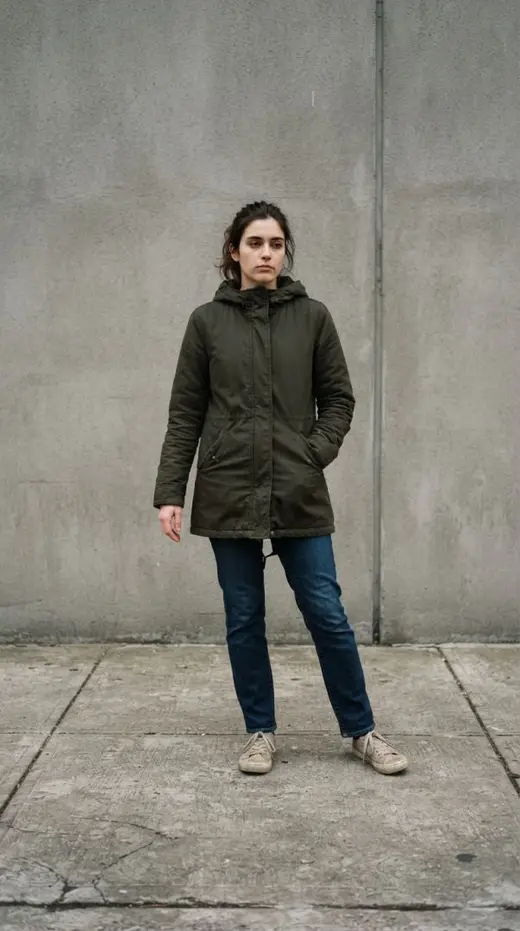

Past the last real lens: just walk
Beyond your phone's longest physical lens, every increment is cropping. A 10x shot on a 3x phone uses roughly a tenth of the sensor. If the photo matters, move your feet until a real lens covers the framing you want. The single most reliable sharpness upgrade on any phone is refusing to digital zoom.
Match the lens to the shot
- Full body, open space: 1x from 3 or 4 meters.
- Full body, tight space: 0.5x from a low angle, subject centered.
- Head and shoulders: 2x or 3x in good light.
- Anything at night or in motion: 1x, no exceptions.