Guide
How to Be Photogenic: Look Good in Photos Naturally
Photogenic is a skill, not a gene: movement loops, breathing, your good side, practice with references, and tricks that bypass camera shyness.
"Photogenic" gets treated like a gene you either inherited or did not. It is a skill. The people who always look good in photos have practiced a small set of habits until the camera stopped catching them off guard. Every habit on this list is learnable in a week.
Photogenic is practiced, not born
A camera flattens three dimensions into two, picks one twentieth of a second, and freezes it. Faces in motion look normal; faces frozen mid-transition look strange. People who photograph well have simply learned which expressions and angles survive freezing. That knowledge comes from repetitions, and nobody is born with it.
Find your side
Almost every face is asymmetric: one eye sits slightly higher, one side of the jaw is sharper, hair parts one way. Take a dozen selfies turned slightly left, then a dozen turned slightly right, and pick the batch you like more. That is your side. From then on, angle it toward the camera by default. Most people feel the difference immediately and never go back to face-on guessing.
Run a movement loop
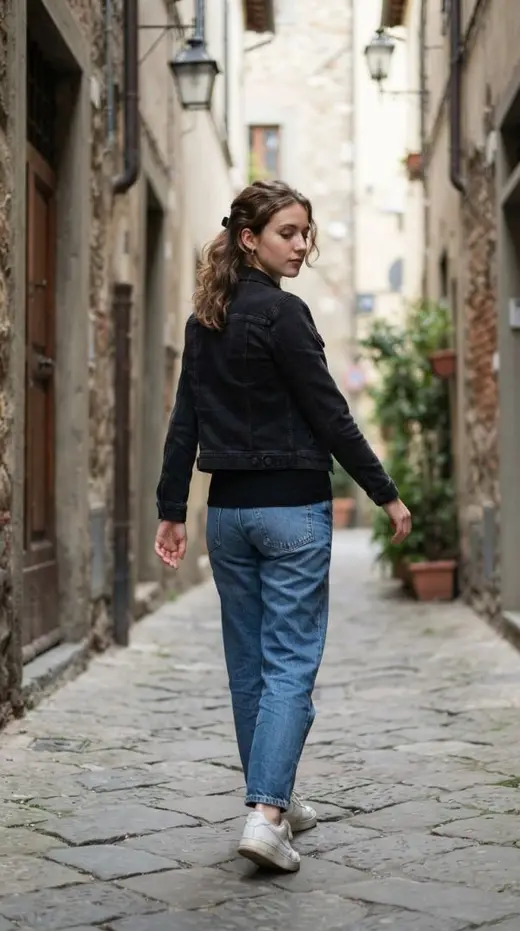
Holding one pose while someone fiddles with framing is how stiffness happens. Instead, repeat a small motion on a loop: walk three steps and turn, look down then lift your eyes, tuck hair behind an ear. Have the photographer shoot bursts through the whole loop. The keepers are almost always mid-motion frames, because your muscles were doing a task instead of holding a position.

Breathe out on the shutter
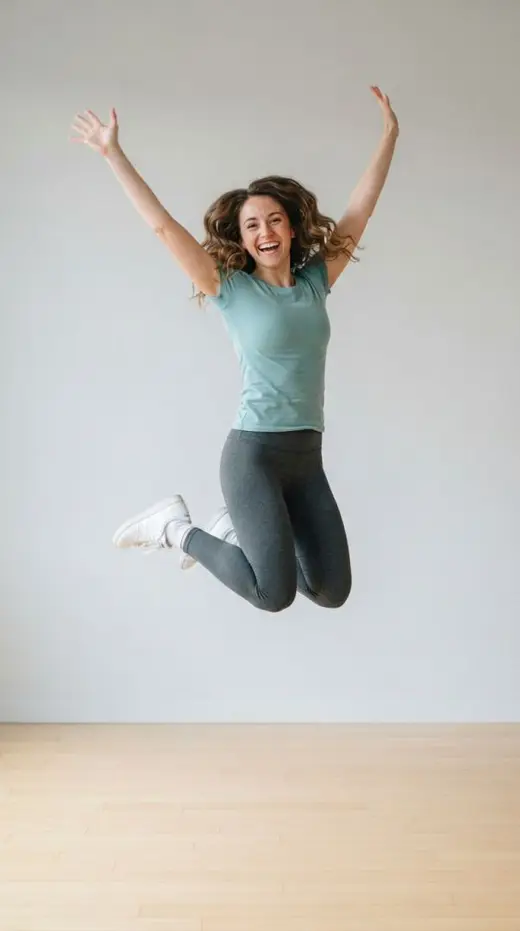
Camera shyness lives in the shoulders and jaw. The cheapest fix: inhale, then let the photo happen on the exhale. Breathing out drops the shoulders, unclenches the jaw, and softens the eyes in a way you cannot fake deliberately. Ask the photographer to count "three, two, one" and start your exhale on two.
The fake laugh that turns real
A held smile decays after about three seconds; the muscles around the eyes give up first, and the result is the "dead eye smile" every group photo knows. Do not hold. Instead, actually laugh, even forced. A fake laugh feels ridiculous, which makes it turn real within a second or two, and the frames in that window have genuinely smiling eyes. This one trick carries entire wedding albums.
Know three default poses cold
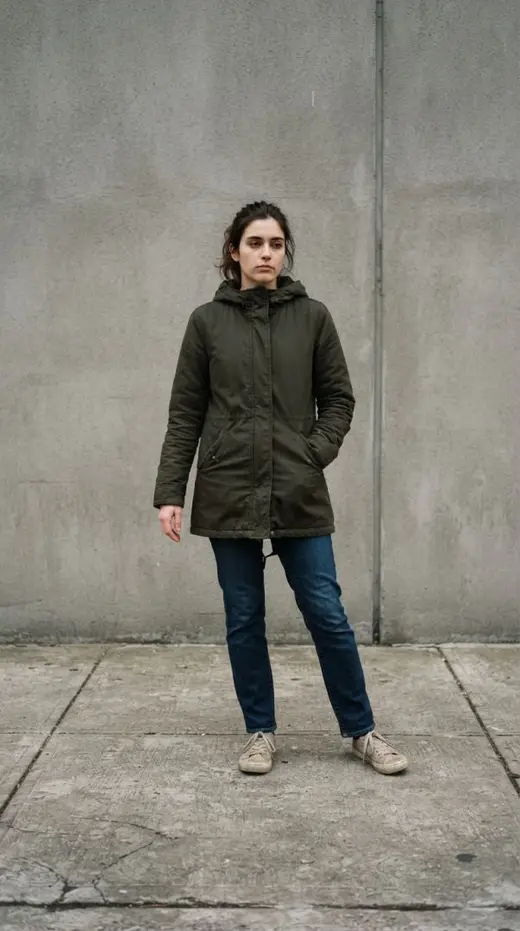
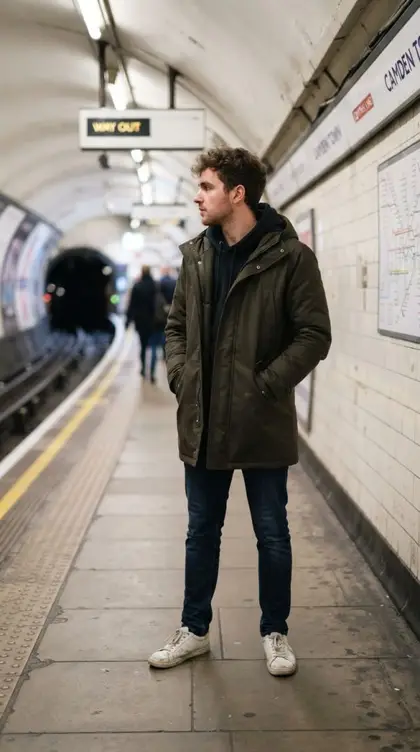
Decision-making in front of a lens is what drains you. Remove it by rehearsing three go-to poses until they are automatic: one standing (weight back, slight turn), one leaning, one walking with a look back. When a camera appears, you pick from three, not from infinity.

Practice with references, not mirrors
Mirror practice lies to you, because a mirror shows motion and photos show freezes. Practice against reference photos instead: copy a pose, shoot it, compare, adjust. Ten minutes of copy-shoot-compare teaches more than an hour of mirror time, because you are training for the actual output.