Guide
Photoshoot Locations: How to Find One on Any Street
A scouting method for ordinary places: walls, light, clutter checks, and the five location types that exist on almost every street.
The search for photoshoot locations usually starts with lists of famous spots an hour away. Skip them. Almost every good photo location is a boring place photographed well, and every street you already walk has about five of them. Here is how to see them.
The five location types on every street
Scan any block and you will find most of these:
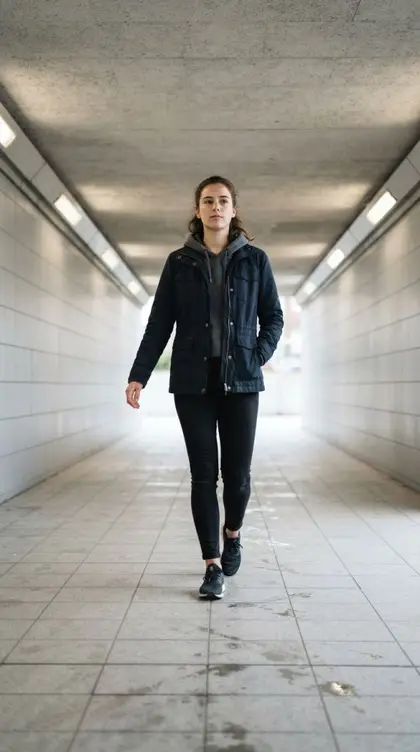
- A blank wall. Concrete, brick, painted shutters. The most underrated backdrop in photography, because nothing competes with the subject.
- A doorway or arch. Instant frame, instant pose support. Lean on the jamb, sit on the step.
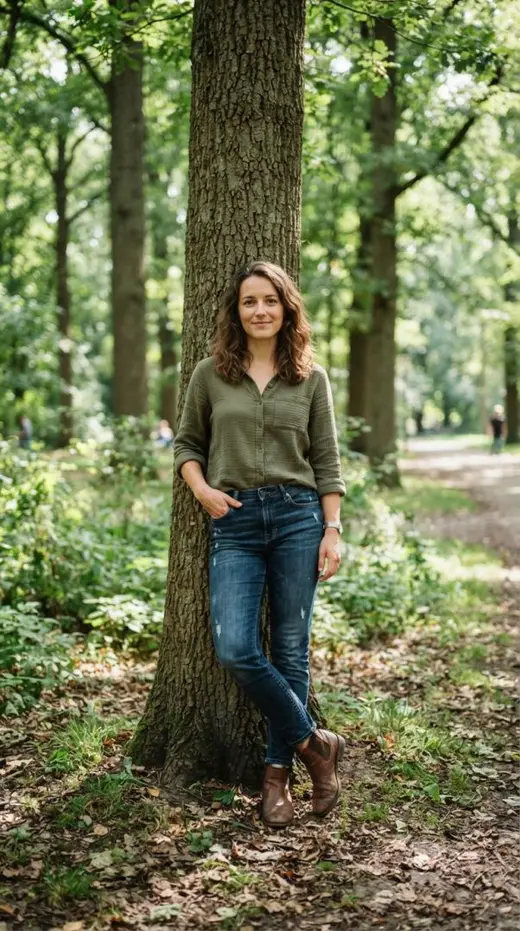
- Greenery. A tree, a hedge, an overgrown fence. Shoot through the leaves for a soft foreground layer.
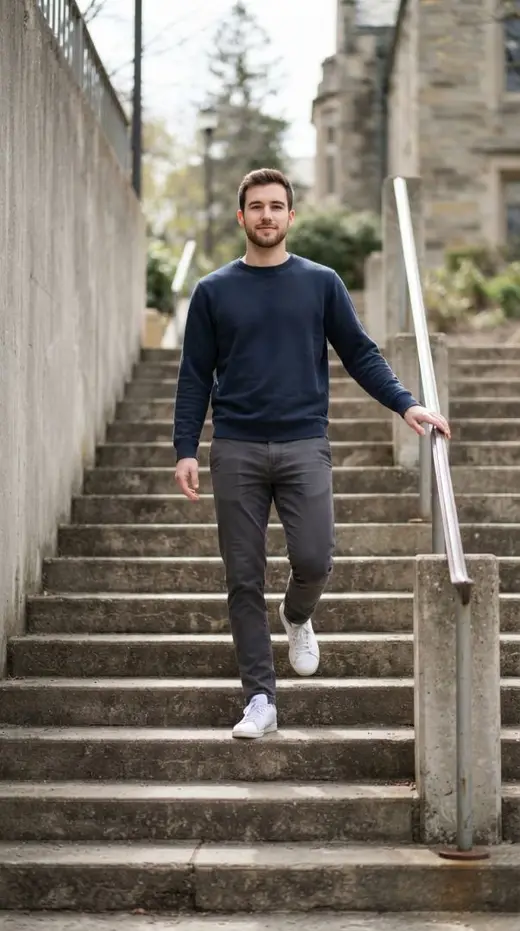
- Steps or stairs. They stagger heights for groups and give solo subjects a dozen sitting and walking poses.
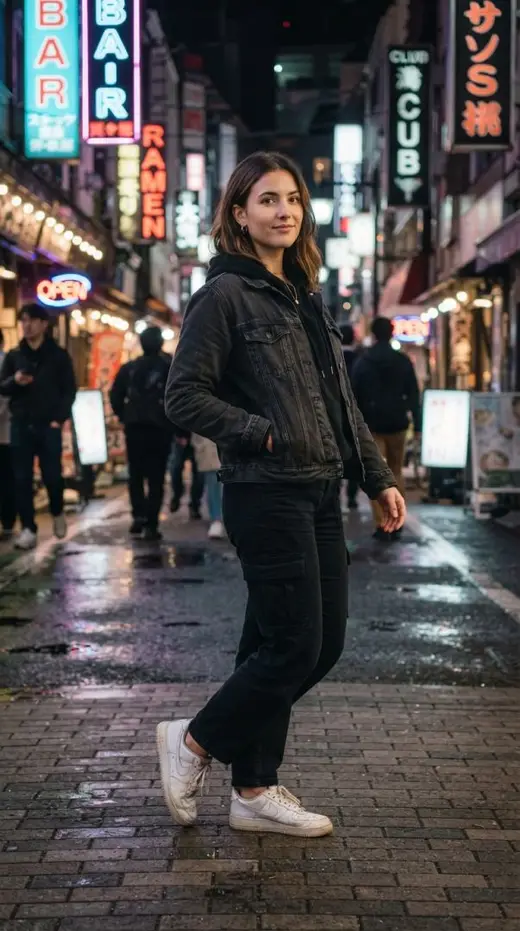
- Interesting light. A shaft of sun between buildings, a neon sign, a shop window glow. Light is a location.

Scout with the camera, not your eyes
Eyes see places; cameras see rectangles. A spot that looks dull at full scale often frames beautifully, and a gorgeous plaza can be unphotographable for all the cars in it. So scout by raising the phone: walk the street, frame test shots without anyone in them, and judge the rectangles. Thirty seconds of this beats twenty minutes of wandering.
Light beats scenery
A plain wall an hour before sunset beats a landmark at noon, every time. When you rank locations, rank the light first: which direction it comes from, whether it is soft or harsh, what it will do at the hour you plan to shoot. The same alley is a different location at 9 a.m. and 6 p.m. If you can, visit at the time you intend to shoot rather than trusting how it looked at lunch.
Run the clutter check
Before anyone poses, scan the edges of your test frame for the things your brain filters out and the camera does not: bins, parked cars, signage, cables, other people's laundry. Move two steps left or crop tighter and most clutter disappears. The difference between an amateur location and a clean one is usually three meters of sidewalk.

Timing public places
Any public spot is twice as usable early in the morning: empty pavements, soft light, no audience for the self-conscious. Golden hour in the evening has better color but more people. If a spot is busy, shoot tight frames (waist up against a wall) instead of wide ones, and the crowd stops existing.
Keep a location list
When you pass a wall or doorway worth shooting, photograph it empty and drop it in an album called Locations. Ten entries in, you have a personal map no blog list can match, sorted by what you actually walk past. Scouting stops being a task and becomes a habit.